
rectangle bathroom mirror with lights
Understanding Metric Ring Gages A Detailed Overview In the realm of precision engineering, measurement plays a crucial role in ensuring the quality and accuracy of manufactured components. Among the various tools available for quality control, metric ring gages stand out as essential instruments for assessing the dimensional tolerances of cylindrical parts. This article delves into the significance of metric ring gages, their design, applications, and best practices for effective usage. What are Metric Ring Gages? Metric ring gages are precision measuring tools used to inspect the diameter of external cylindrical parts. They come in two primary types go and no-go gages. The go gage checks the minimum acceptable diameter, ensuring that the part can fit properly within a specified tolerance range. The no-go gage, on the other hand, verifies that the part does not exceed the maximum diameter specification. This dual approach allows manufacturers to maintain high standards of quality control by ensuring that components neither underperform due to being too small nor face issues due to being overly large. Design Features Metric ring gages are typically made from high-strength materials such as steel, carbide, or other durable alloys to withstand repeated use without significant wear. Their internal surfaces are ground to a high degree of precision, and they may also be subjected to heat treatment to enhance hardness and durability. The gages are calibrated to specific metric dimensions, making them suitable for international engineering applications. Common metric sizes typically fall within the range of 1mm to over 100mm, allowing for versatile usage across various industries. Applications The applications of metric ring gages are widespread and can be found in industries such as automotive, aerospace, manufacturing, and quality assurance laboratories. In the automotive sector, for example, they are critical for inspecting components like shafts, bearings, and gears, where precise fit is vital for performance and safety. In aerospace, where reliability is paramount, metric ring gages ensure that parts meet stringent quality standards. Moreover, these gages are valuable for assembly line processes where parts are frequently produced and measured. By implementing rigorous quality checks with metric ring gages, manufacturers can significantly reduce the risk of defects and improve overall production efficiency . metric ring gages Best Practices for Usage To maximize the effectiveness of metric ring gages, several best practices should be followed 1. Calibration Regular calibration of gages is essential to maintain accuracy. This should be done according to the manufacturer's recommendations or industry standards. 2. Cleaning Gages should be kept clean and free of contaminants. Dirt or machining residue can affect measurement accuracy, leading to potential misjudgments in part quality. 3. Storage Proper storage is crucial to prevent damage. Gages should be stored in protective cases and handled with care to avoid dropping or scratching them. 4. Training Ensure that personnel using the gages are adequately trained. Understanding how to use the tool correctly promotes effective measurements and reduces the likelihood of operator error. 5. Limitations Awareness Users should be aware of the limitations of metric ring gages, including temperature effects and material properties, which can influence measurement results. Conclusion Metric ring gages serve as indispensable tools in the field of precision measuring, playing a vital role in ensuring that manufactured components meet strict quality standards. By understanding their design, applications, and best practices for effective usage, manufacturers can enhance their measurement processes, leading to higher product quality and greater customer satisfaction. As technology continues to advance, the reliance on accurate and efficient measuring tools like metric ring gages will only grow, solidifying their importance in modern engineering and manufacturing.
about
rectangle bathroom mirror with lights
Introduction to the Slow Closing Check Valve The Slow Closing Check Valve from Storaen (Cangzhou) International Trading Co. represents a significant advancement in hydraulic control technology. Designed to address common challenges in fluid systems, this valve combines innovative engineering with robust performance to ensure optimal efficiency and longevity. Whether in industrial, municipal, or commercial applications, the Slow Closing Check Valve is engineered to deliver reliable operation under demanding conditions. Key Features of the Slow Closing Check Valve The Slow Closing Check Valve is distinguished by its unique design and advanced functionality. Here are the core features that set it apart: Novel Structure : The valve's design incorporates a specialized mechanism that allows for precise control over the opening and closing process, minimizing wear and tear. Superior Sealing Effect : Advanced sealing technology ensures minimal leakage, even under high-pressure conditions, enhancing system reliability. Low Resistance : The streamlined internal geometry reduces flow resistance, improving overall system efficiency. Large Flow Capacity : Engineered to handle high flow rates without compromising performance, making it suitable for large-scale applications. Extended Service Life : Durable materials and corrosion-resistant construction ensure long-term durability, reducing maintenance costs. Adjustable Closing Speed : Operators can fine-tune the valve's closing speed to match specific system requirements, optimizing performance. Water Hammer Mitigation : The valve's slow-closing mechanism effectively dampens the impact of water hammer, protecting pipelines and equipment from damage. Technical Specifications The following table outlines the technical parameters of the Slow Closing Check Valve : Parameter Specification Model 300X Slow-Closing Muffler Check Valve Flow Rate Up to 1,200 GPM (depending on size) Pressure Rating 150 psi (10.3 bar) Material Stainless Steel, Brass, and Cast Iron (customizable) Temperature Range -20°C to 120°C Connection Type Flanged or Threaded (as per customer request) Actuation Manual or Automatic (optional) Advantages of the Slow Closing Check Valve The Slow Closing Check Valve offers several distinct advantages over traditional check valves, making it a preferred choice for modern hydraulic systems: 1. Enhanced Reliability Its robust construction and advanced sealing technology ensure consistent performance even in harsh environments. The valve's ability to adjust to site-specific conditions further improves its reliability, reducing the risk of unexpected failures. 2. Energy Efficiency The low resistance and large flow capacity of the valve contribute to energy savings by minimizing pressure drops and reducing the workload on pumps and other system components. 3. Cost-Effectiveness With a long service life and minimal maintenance requirements, the Slow Closing Check Valve reduces operational costs over time. Its durability also lowers the frequency of replacements, providing long-term value. 4. Safety and Protection The valve's water hammer mitigation capabilities protect pipelines, pumps, and other equipment from damage caused by sudden pressure surges. This feature is particularly critical in systems where rapid flow changes are common. Applications and Use Cases The versatility of the Slow Closing Check Valve makes it suitable for a wide range of applications across various industries: 1. Industrial Systems In manufacturing and processing plants, the valve is used to control fluid flow in pipelines, ensuring smooth operation of machinery and equipment. Its adjustable closing speed is ideal for systems requiring precise flow regulation. 2. Water Supply and Distribution The valve is commonly employed in municipal water supply networks to prevent backflow and protect against pressure fluctuations. Its ability to dampen water hammer ensures the integrity of the distribution system. 3. HVAC Systems In heating, ventilation, and air conditioning (HVAC) systems, the valve helps maintain stable pressure and flow, improving energy efficiency and system longevity. 4. Wastewater Treatment The valve's corrosion-resistant materials and durable design make it well-suited for wastewater treatment plants, where exposure to harsh chemicals and environments is common. About Storaen (Cangzhou) International Trading Co. Storaen (Cangzhou) International Trading Co. is a leading provider of high-quality industrial components, specializing in hydraulic and pneumatic systems. With decades of experience in the field, the company is committed to delivering innovative solutions that meet the evolving needs of its global clientele. Storaen's product portfolio includes a wide range of valves, pumps, and control systems, all designed to uphold the highest standards of performance and reliability. The company's dedication to research and development ensures that its products are at the forefront of technological advancements in fluid control systems. As a trusted partner in the industry, Storaen prioritizes customer satisfaction through personalized service, technical support, and competitive pricing. The Slow Closing Check Valve is a testament to the company's commitment to excellence and innovation. Conclusion The Slow Closing Check Valve from Storaen (Cangzhou) International Trading Co. is a reliable and efficient solution for modern hydraulic systems. With its advanced design, superior performance, and wide range of applications, this valve is an essential component for industries seeking to optimize their fluid control processes. For more information about the product or to explore other offerings from Storaen, visit their official website .
-

High quality industrial productsagement

High quality industrial products
View Details -

Meet the diverse needs of customers

Meet the diverse needs of customers
View Details -

Strict quality control

Strict quality control
View Details -

Top raw materials

Top raw materials
View Details -

Trusted supplier

Trusted supplier
View Details
Our application

news and information
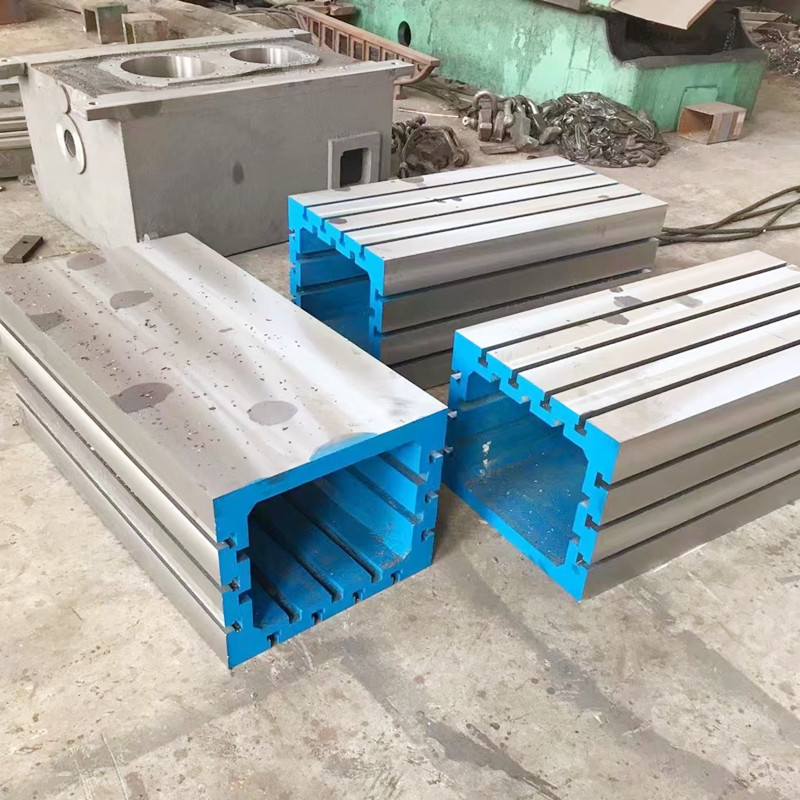
Vertical Y strainer efficient way to filter particles from fluid flow.
Vertical Y strainers are essential components in piping systems that are designed to remove unwanted
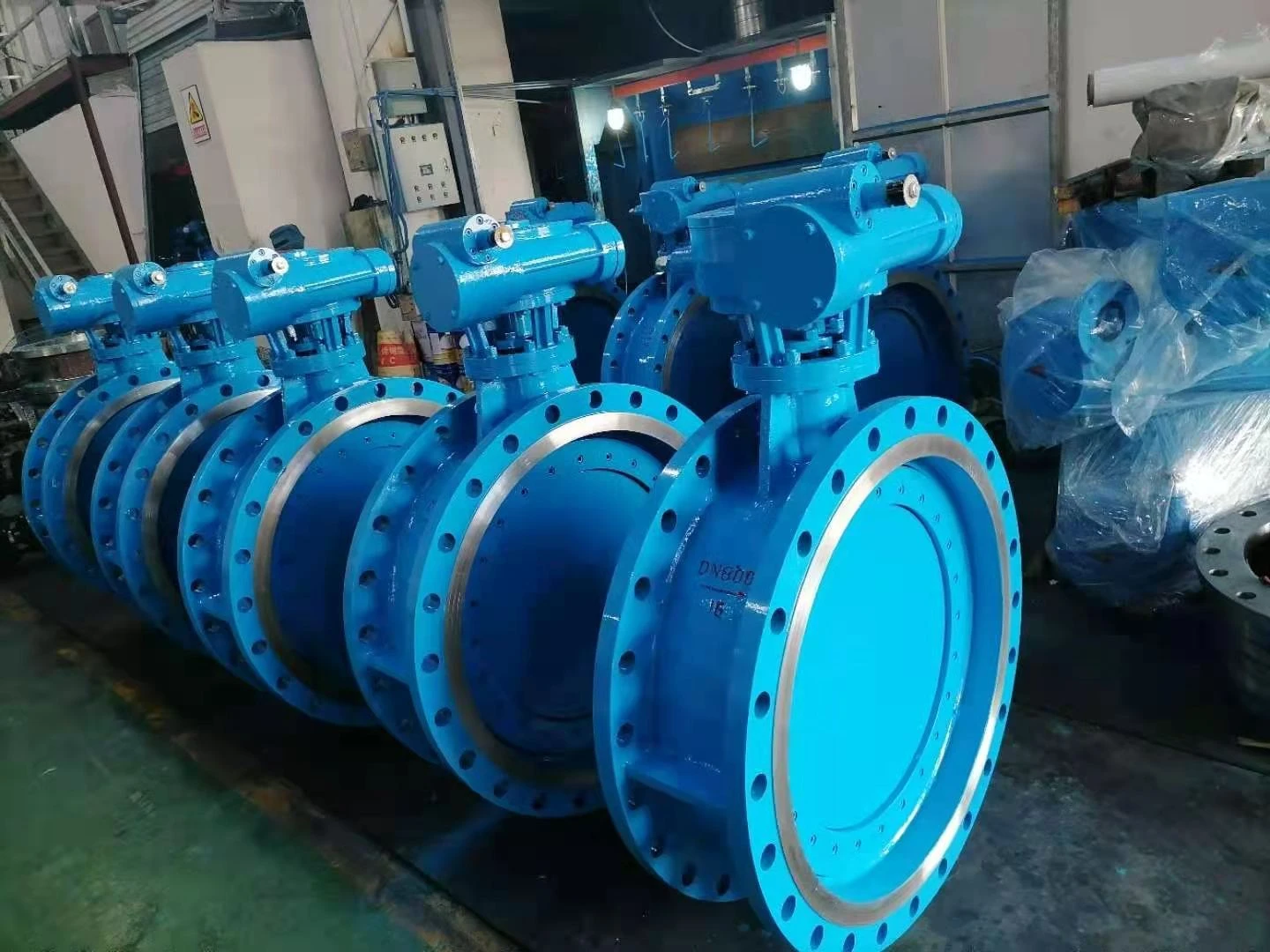
y type strainer price
Investing in the right industrial equipment is critical for maintaining operational efficiency, espe

Water Pressure Control Valve for Efficient Regulation and System Protection
Understanding Water Pressure Reduction Valves Water pressure reduction valves (PRVs) are essential c
 English